How Many Servings of Vegetables Should You Eat Each Day?
December 1st, 2025 11:16 PM
It’s no secret that vegetables are good for you — your parents told you, your doctor told you, and now even your fridge might be judging you. But how many servings of vegetables a day do you actually need? And what does one “serving” even look like?
We’re here to clear it up, and it’s not as confusing as it sounds. With a few fresh strategies, it’s easier than ever to reach your recommended daily amount of vegetables. Let’s dig in.
How many servings of vegetables should you have a day?
According to the USDA and most health organizations, the general recommendation for adults is 2 to 3 cups of vegetables per day, which usually breaks down to about 4 to 6 servings. This number can vary depending on things like your age, activity level, specific dietary needs, etc., but it’s a solid starting point for most people.
Getting enough vegetables each day does more than just check a box. A veggie-rich diet supports benefits like:
Heart health
Better digestion (thanks, fiber!)
Immune function
Healthy weight management
Reduced risk of chronic diseases
So yes, those broccoli florets and Brussels sprouts are working overtime behind the scenes to accomplish some wonderful things for your body and overall health.
Serving Sizes of Popular Vegetables
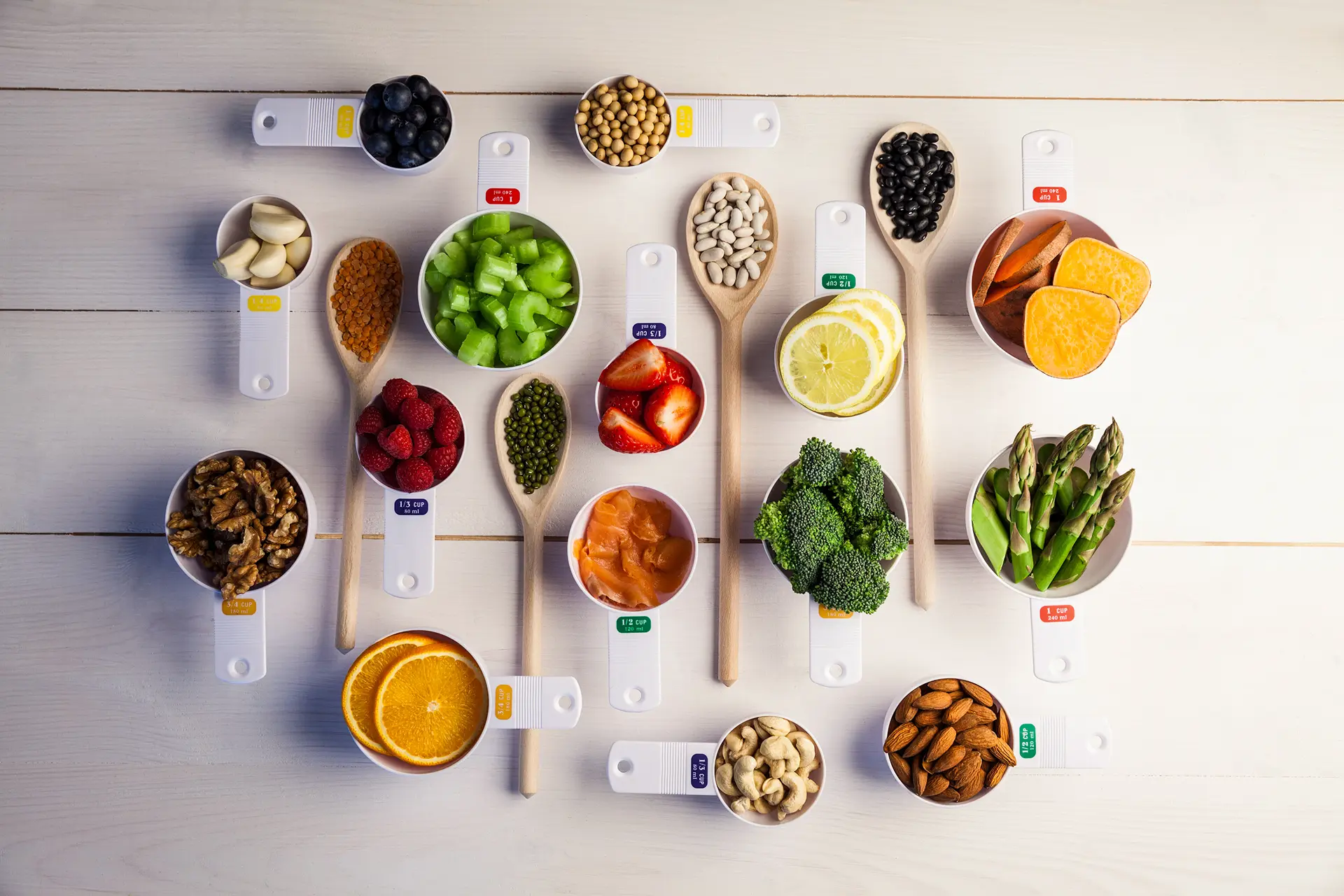
How many vegetables are considered a serving? A “serving” of veggies isn’t always intuitive. Here are some rough estimates to help you visualize one serving of different vegetables:
1 cup of raw leafy greens (like spinach, romaine, or kale) = 1 serving
½ cup of cooked vegetables (like carrots, broccoli, or cauliflower) = 1 serving
1 cup of raw chopped vegetables = 1 serving
6 baby carrots = 1 serving
½ cup cooked tomato sauce = 1 serving
1 small baked potato = 1 serving
½ of a bell pepper, sliced = 1 serving
1 cup of butternut squash soup = 1 serving
½ cup of vegetable juice = 1 serving (though whole veggies are preferred)
Veggie pro tip: If you’re using Taylor Farms chopped salad kits or salad blends as a base, you’re already mostly there — our kits contain multiple servings of vegetables per bag.
Easy Ways to Get Your Daily Vegetable Servings
Getting enough vegetable servings per day doesn’t mean eating salad three times a day (though we won’t stop you). Here are some mealtime ideas to help make those veggies a seamless part of your routine:
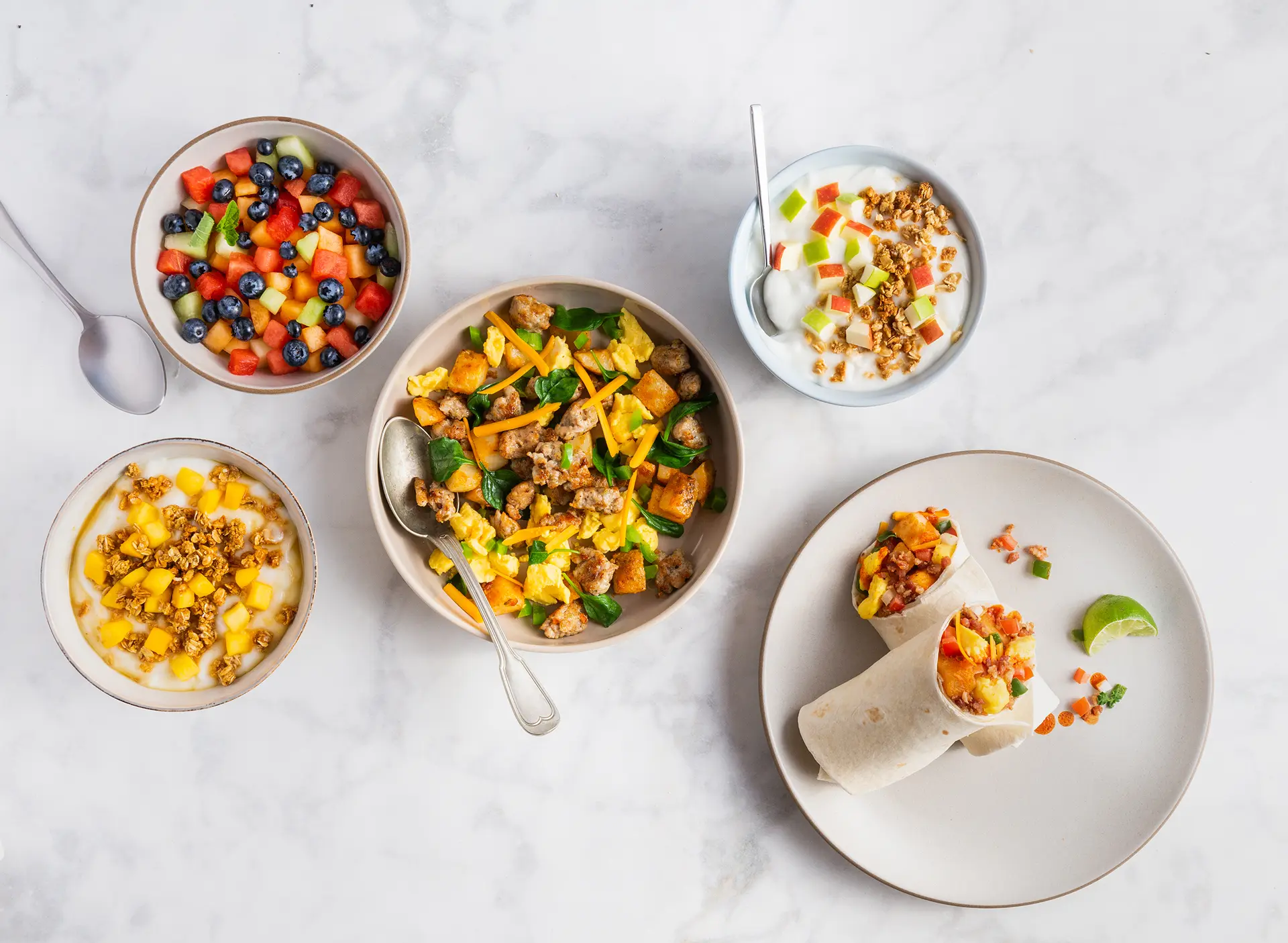
Breakfast: Toss spinach, tomatoes, or bell peppers into omelets or breakfast wraps. Add avocado slices or even cucumber to your toast.
Lunch: Use greens like romaine or butter lettuce as a base for grain bowls, wraps, or burrito-style salads.
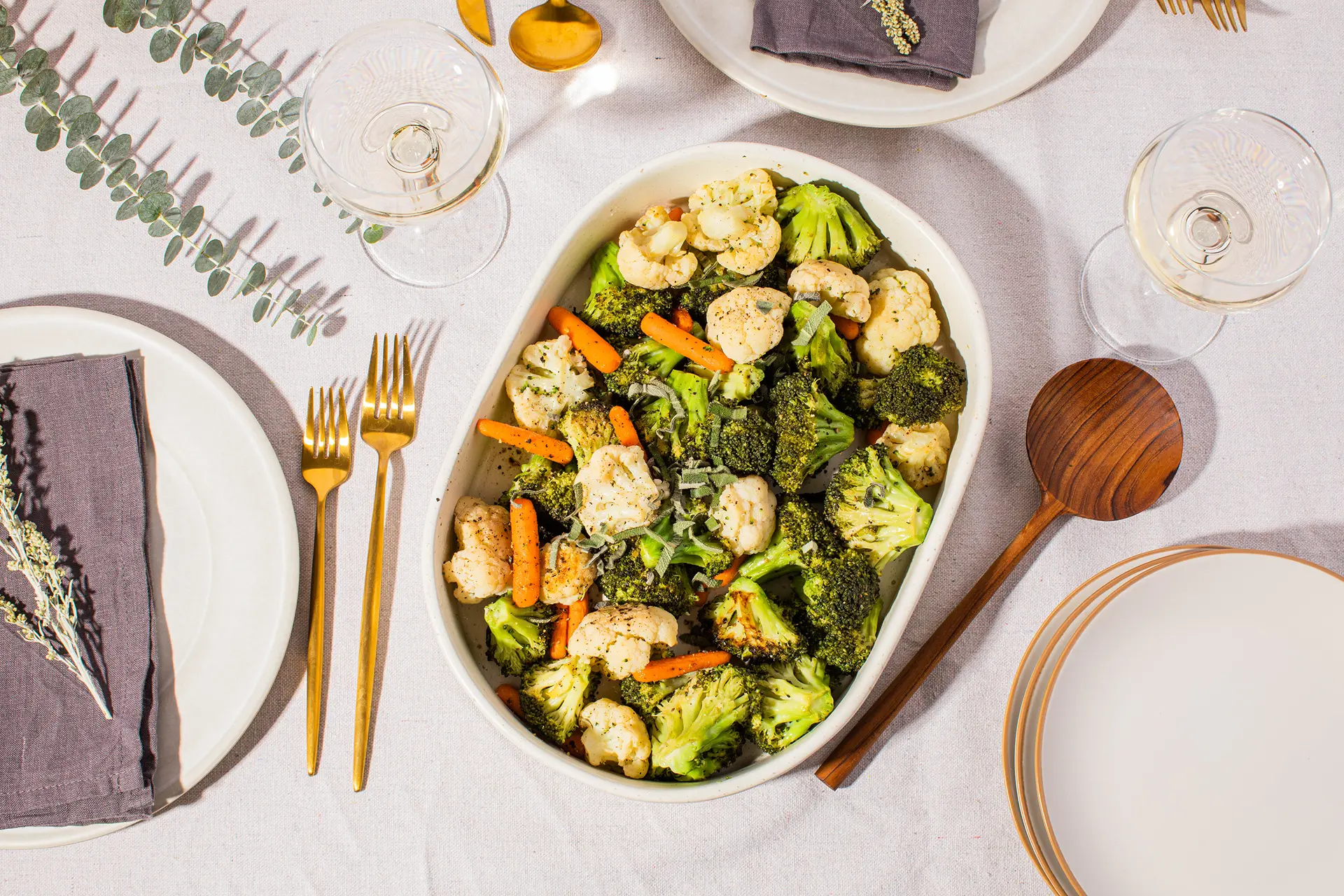
Dinner: Roast a tray of vegetables to serve as a side or toss into pasta, tacos, or stir fries.
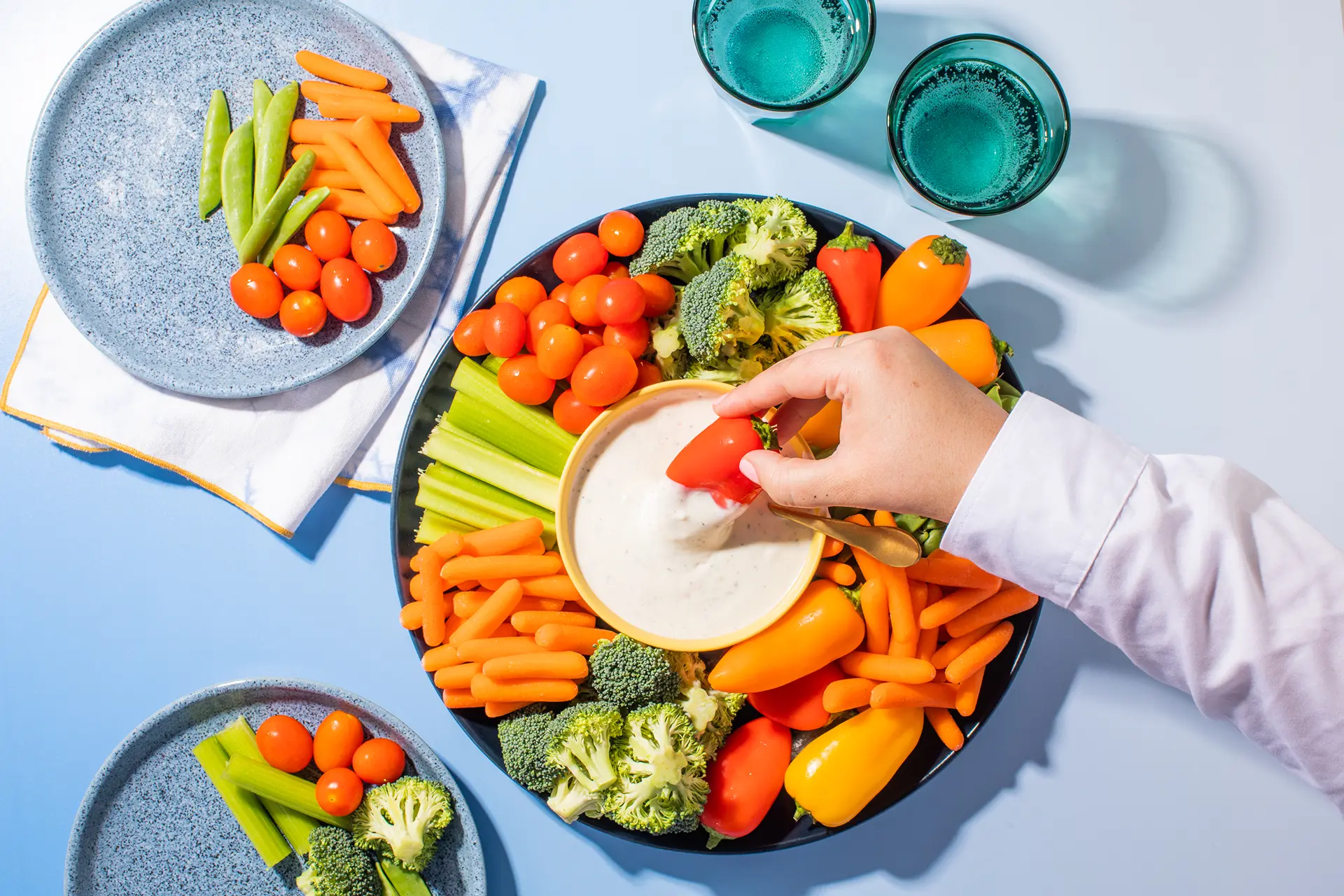
Snacks:Hummus and veggies, anyone? Baby carrots, bell pepper strips, and celery sticks are all great dippers.
On-the-go: Grab-and-go snack packs with pre-cut veggies that are ready to serve make it easy to stay on track, even during busy days or whatever else you happen to have going on at the moment.
Simple Veggie Routines to Make it a Habit
Making veggies a part of your routine doesn’t have to be complicated. Here’s how to stay consistent without overthinking it:
Double up on dinner sides: Instead of just one vegetable side dish, why not make two smaller ones? Roast broccoli and sauté spinach. Air-fry some Brussels sprouts and make a small side salad. So many possibilities.
Just plan it out: Add veggies to your grocery list and your meal plan. Thinking ahead makes it easier to hit your daily target.
Use frozen or prepped veggies: No shame in convenience. Pre-washed and chopped vegetables can be a huge time-saver—and still count as real, fresh food. And remember, you can often prep and freeze your own fresh veggies to use later.
Embrace the remix: Use leftover veggies in tomorrow’s lunch. Toss roasted veggies into scrambled eggs. Use them as a taco or burrito filling. Top them on a rice or grain bowl. Simmer them in soups. Add them to pizzas. Get creative; nobody is stopping you!
Sneaky Ways to Add More Vegetables
There are plenty of creative ways to work in more vegetables without making them the main event. These simple swaps and additions make it easy to bump up your total vegetable servings per day without much effort.
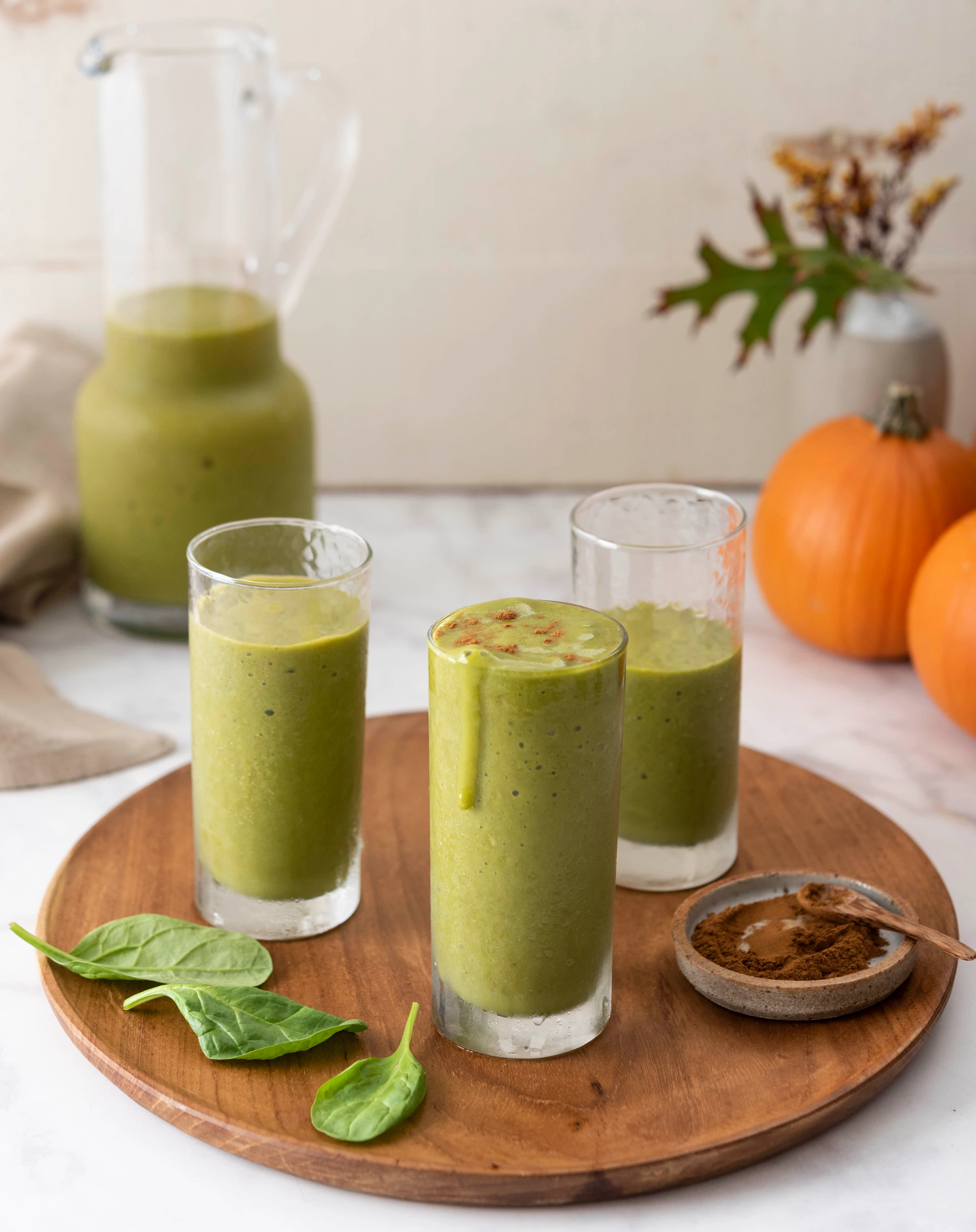
Blend them in: Toss a handful of spinach or kale into your morning smoothie, or stir finely grated zucchini or carrots into pancake batter for a subtle veggie boost. Zucchini bread is a thing, too.
Sauce it up: Mix in puréed carrots, butternut squash, or red peppers into pasta sauces or soups.
Top it off: Add shredded cabbage, sliced radish, or chopped kale to sandwiches, burgers, and grain bowls for extra texture and a pop of color.
The “Worst” Ways to Eat Veggies?
While any vegetables are better than none, some cooking methods are more friendly to flavor and nutrition than others. For example:
Boiling tends to leach nutrients (especially water-soluble vitamins like vitamin C) into the cooking water. This method also fails to impart more flavors or create satisfying textures that give the veggies more depth.
Over-steaming veggies will do them no favors. Too much steam can leave veggies mushy and bland — not exactly enticing.
Instead of boiling or steaming, try roasting, grilling, or lightly sautéing to bring out natural flavors and retain more nutrients. Bonus: it’s also more likely to turn picky eaters into fans.
Final Thoughts
Getting enough vegetables each day doesn’t have to seem like a chore. When you understand what counts as a serving and how to build those servings into your regular meals, it becomes second nature — tossing a handful of spinach into your eggs, building a salad with your favorite Taylor Farms blend, roasting a tray of broccoli and carrots for dinner, every little bit adds up.
Remember, the key is consistency, not perfection. There are endless ways to use vegetables in your dishes, so start small, mix things up, and enjoy the process as you find your new favorite recipes and methods for getting your daily servings. Oh, and speaking of recipes, we have plenty (and we’re always adding more), so go check them out for even more inspiration.
Managing macros? Learn how to get the right balance of macronutrients in your next salad using fresh veggies topped with protein, essential carbs, and healthy fats.
From dandelion greens to eggplant, Maya Feller, RD, highlights seven powerhouse plant foods that support your healthspan — no complicated diet overhaul required.
Are raw veggies better than cooked? The answer isn’t so black and white. Registered Dietitian Lauren Twigge is here to break down how cooking changes their nutrition — and how to make both styles work for your plate.